
How to play tongits is a skill every card enthusiast can enjoy mastering. This Filipino classic, explained clearly with guidance from LODI646, highlights the rules, strategies, and unique features that make Tongits a timeless favorite for friends and families.
Unraveling the core of tongits
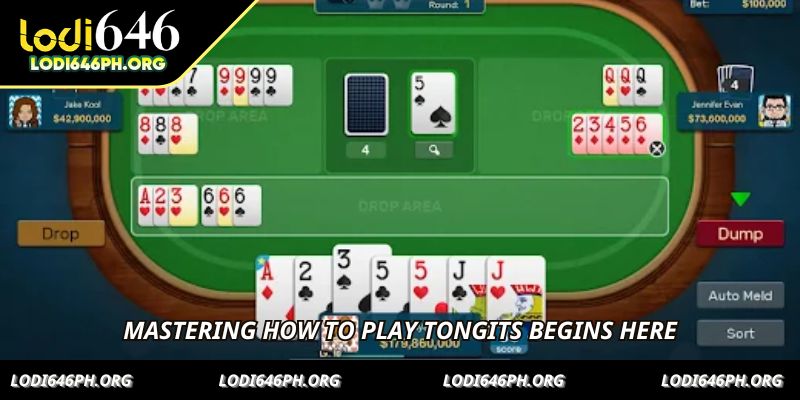
Tongits stands out as a card game deeply rooted in Filipino culture, often enjoyed during social gatherings and family events. Its mechanics share a family resemblance with other rummy-style games, focusing on forming specific card combinations. Typically, three players participate, utilizing a standard 52-card deck, excluding jokers.
Getting started with tongits: What you will need
To embark on your Tongits journey, gather just a few straightforward items. You will require one complete standard deck of 52 playing cards; ensure no jokers are included as they are not part of the game. The ideal number of participants is three, though the game can be adapted for two players if necessary. Finally, secure a comfortable surface, such as a table, where players can spread out their cards and the central piles.
Tongits lexicon: Essential terms to know
Familiarity with specific terminology enhances understanding when learning how to play tongits:
| Melds | Combinations of cards, either sets or runs, placed face-up on the table. |
| Draw pile | The stack of unused, face-down cards from which players draw. |
| Discard pile | The designated area where players place a single card at the end of their turn. |
| Tongits | The ultimate winning state where a player successfully disposes of all their cards without being challenged. |
| Burned | A situation where a player is disqualified from challenging or winning because they haven’t laid down any melds. |
| Draw | A declared win condition that occurs when the draw pile is almost depleted, allowing players to compare points. |
| Challenge | An action taken by a player who believes their hand has fewer points than another player who has gone Tongits or called a draw. |
Setting up the tongits game
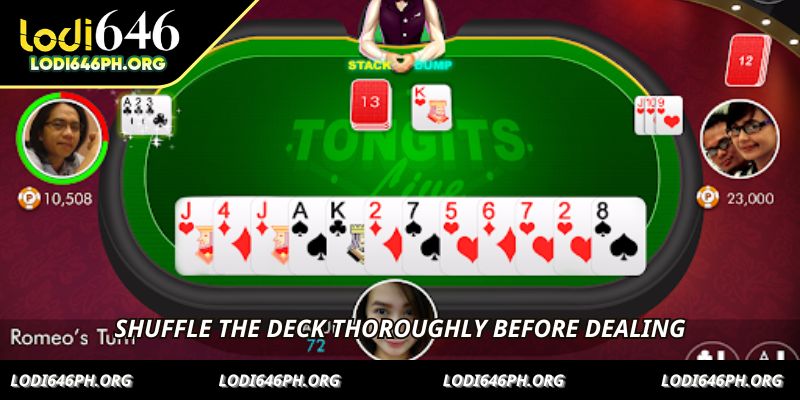
The initial setup is swift and straightforward, forming the foundation for how to play tongits correctly. First, designate a dealer for the round. The chosen dealer shuffles the 52-card deck thoroughly. Following the shuffle, each of the three players receives 12 cards. The dealer, having distributed cards to others, then draws one additional card for themselves, starting with a total of 13 cards.
The remainder of the deck is positioned in the center of the playing area, face-down, to form the crucial draw pile. To kick off the discard pile, the top card of the draw pile is turned face-up and placed next to it. The dealer, possessing 13 cards, initiates the very first turn, setting the rhythm for the round and demonstrating the first steps of how to play tongits effectively.
Decoding how to play tongits: A step-by-step guide
Once the setup is complete, the gameplay of Tongits unfolds in a logical and engaging sequence. Each player’s turn follows a consistent three-step process. Mastery of these steps is key to developing a strong strategy and enjoying the game thoroughly. Understanding the nuances of drawing and melding will greatly improve your chances of victory.
The flow of a turn
Every turn in Tongits encompasses three distinct actions:
- First, a player must draw a card. They have a choice: either take the top card from the face-down draw pile or pick up the top card from the face-up discard pile. The decision here is often strategic, influenced by the cards already in hand and those visible on the table.
- Second, if possible, the player can form and lay down melds. Melds are combinations of cards that are placed face-up in front of them. The act of melding reduces the number of cards in a player’s hand.
- Finally, to conclude their turn, the player must discard one card onto the discard pile. This crucial step maintains the flow of the game and often presents opportunities for other players.
Forming melds: Sets and runs
There are two primary types of melds players aim to achieve. A set consists of three or four cards of the same rank but with different suits. For example, three 7s (7♣ 7♦ 7♠) or four Queens (Q♣ Q♦ Q♠ Q♥) would constitute a valid set. A run, on the other hand, comprises three or more consecutive cards of the same suit. An example would be 4♠ 5♠ 6♠, or even a longer sequence like 9♥ 10♥ J♥ Q♥.
Continuing the journey of mastering how to play tongits, players will discover that strategic card additions add another layer of depth to the game.
Strategic card additions to existing melds
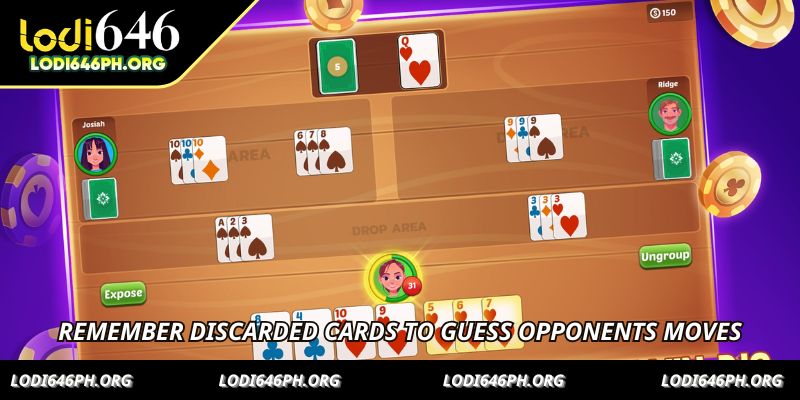
For instance, if another player has displayed a run like 5♣ 6♣ 7♣, and you happen to hold the 8♣, you can place your 8♣ onto their meld during your turn. This action not only reduces your hand size but also prevents others from potentially using that card. This cooperative yet competitive aspect of adding to existing melds requires keen observation and foresight. Furthermore, certain special rules govern gameplay.
Players who have not yet formed any melds of their own are considered “burned” and cannot initiate a challenge or claim a draw. A key rule is that a player cannot lay down all their cards in a single turn and win immediately unless that final action is specifically declaring Tongits. In all other scenarios, a turn must always conclude with a discard.
How to play tongits like a pro
The endgame in Tongits offers multiple paths to victory, each requiring a different approach and understanding of the game’s dynamics. The most straightforward win comes from declaring Tongits, while other scenarios involve strategic draws and challenges. Knowing when to pursue each path is crucial for success.
Achieving a tongits victory
The most celebrated way to win in Tongits is to achieve a “Tongits” state. This occurs when you successfully get rid of every single card in your hand through melding or adding to existing melds, without being challenged by another player. When a player declares Tongits, the game concludes immediately, and that player is declared the undisputed winner.
As explained in most how to play tongits guides, this instant win scenario is often the ultimate goal, requiring careful planning and a bit of luck in card draws. It signifies a complete and successful reduction of one’s hand to zero cards, showcasing both skill and timing.
Calling a draw or challenge: The tactical showdown
Any player who has already laid down at least one meld can choose to “call a draw.” This signals an end to the active drawing phase and prompts a potential challenge. As outlined in most how to play tongits tutorials, when a draw is called or when a player attempts to go Tongits, other players who have established melds on the table have the option to “challenge.”
A challenge is essentially a contest to determine who holds the hand with the lowest point value among the challengers. This critical phase often decides the winner in closely contested games. Only players who have previously placed melds are eligible to participate in a challenge, as those without melds are considered “burned” and cannot compete for the win.
Calculating scores in tongits: The final tally
In the event of a challenge or a declared draw, the game proceeds to a scoring phase. Each eligible player counts the total point value of the cards remaining in their hand. The point system is simple: number cards (from 2 to 10) are valued at their face value. Face cards (Jack, Queen, King) each count for 10 points. Aces, uniquely, are valued at just 1 point.
After all players have tallied their remaining points, the individual with the lowest total score is declared the winner of the challenge. This scoring mechanism adds a layer of strategic depth, as players might choose to hold onto low-value cards if they anticipate a challenge or draw. For those looking to elevate their gameplay, incorporating advanced strategies is key to mastering how to play tongits and consistently outmaneuvering opponents.
Conclusion
Mastering how to play tongits opens up a world of enjoyment, and for those looking to explore more thrilling gaming options, LODI646 is your go-to destination. Discover a diverse range of entertainment beyond traditional card games. Sign up today and embark on an exciting journey with our premium gaming platform.




